
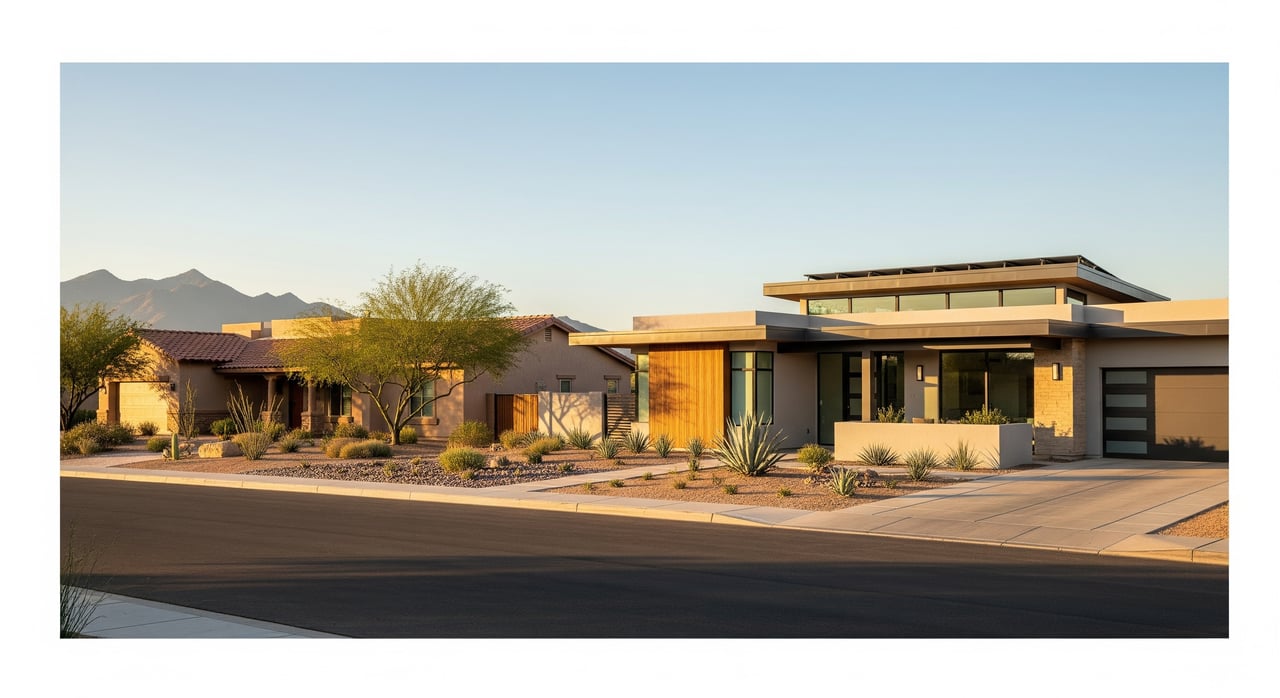
Thinking about buying in Surprise and stuck between a brand-new build and a move-in-ready resale? You are not alone. With so many master-planned communities, active adult options, and established neighborhoods across the West Valley, this is a common crossroads for local buyers. In this guide, you will learn the real-world pros and cons of each path, what to expect in Surprise specifically, and how to compare total costs, timelines, and risks so you can move forward with confidence. Let’s dive in.
Surprise, AZ: What makes the choice different here
Surprise sits in the West Valley and has grown steadily thanks to relative affordability, master-planned communities, and proximity to major employers and Luke Air Force Base. New subdivisions bring amenities like community pools, parks, and trails. Established neighborhoods offer mature landscaping and sometimes larger lots.
Buyers in Surprise often include VA-eligible military and veteran households, active adults seeking low-maintenance living, and move-up families who prioritize floorplans, lot size, and location near commuting routes. Your decision often comes down to timing, customization, budget, and how you feel about HOA rules and ongoing construction nearby.
New construction vs resale: Side-by-side insights
Price and value
- New construction: The base price can look competitive, but popular finishes, flooring, cabinets, and landscaping are usually upgrades. Your final price often runs higher than the sticker you saw at the sales office.
- Resale: You may get existing upgrades and mature curb appeal included in the list price. There can be room to negotiate depending on market conditions.
Customization and finishes
- New construction: You can pick floorplans, colors, fixtures, and sometimes lot orientation, especially if you buy early in the build. Just remember that higher-level options add up fast.
- Resale: What you see is what you get at closing. You can remodel over time, but structural changes will require permits, planning, and additional budget.
Timeline and convenience
- New construction: Expect several months from contract to closing. Build schedules can run 6 to 12 months, depending on stage and complexity. You will have milestones like a pre-drywall walkthrough and a final punch list.
- Resale: Once under contract, most financed deals close in 30 to 60 days. Cash closings can be even faster.
Quality, inspection, and defects
- New construction: You get brand-new systems built to current codes, which reduces near-term maintenance. Workmanship issues can still occur, so schedule independent inspections at key stages and use the final walkthrough to create a punch list.
- Resale: A general home inspection is essential. Plan for items like roof age, HVAC life expectancy, and any pool or landscaping repairs. Factor likely near-term expenses into your budget.
Warranties and protections
- New construction: Builders typically offer limited warranties. Industry patterns often include one year for workmanship, two years for major systems, and a longer structural warranty, though coverage varies. Get the warranty in writing and confirm what is covered and for how long.
- Resale: Homes are usually sold as-is, unless repairs or concessions are negotiated. You can add a third-party home warranty for basic coverage in year one.
Location, lot, and community feel
- New construction: Newer communities are planned for modern living, often with shared amenities. You may be able to pick a lot with certain views or sun exposure, but premium lots cost more. Early phases can come with active construction nearby for a while.
- Resale: Established neighborhoods may offer larger lots and mature landscaping. Layouts might be less open than newer plans, and efficiency upgrades may be needed.
HOA rules and costs
- New construction: Many Surprise subdivisions have HOAs that manage amenities and community standards. Review fees, rules on exterior changes, rental policies, solar panels, and landscaping obligations.
- Resale: Some neighborhoods have long-standing HOAs with useful history to review, including budgets and reserves. Others have no HOA at all. Always read the CC&Rs before you commit.
Energy efficiency and tech
- New construction: Newer energy codes mean better insulation, windows, HVAC efficiency, and often smart-home wiring or solar options. These can lower operating costs.
- Resale: You may need to plan for upgrades to reach similar efficiency levels over time.
Financing and appraisals: What changes between the two
Loans and lender experience
- New construction: Buying a completed spec home can feel similar to a resale purchase. If you are building from scratch, you may need a construction or construction-to-permanent loan. Builders often have partner lenders and may offer incentives to use them. VA and FHA buyers should confirm builder approval and appraisal requirements early.
- Resale: Conventional, FHA, and VA loans are common. Lender underwriting will focus on property condition, so major defects can trigger conditions or repairs before closing.
Appraisals and comparables
- New construction: Appraisals rely on recent comparable sales. If nearby comps are limited or your upgrades are highly customized, appraisal gaps can happen. Builders sometimes address shortfalls with incentives or adjustments, depending on the market.
- Resale: Appraisals typically use nearby closed sales. During fast-moving markets, appraisers may rely on slightly older comps, which can lead to differences from current list prices.
Closing costs, incentives, and concessions
- New construction: Builders may offer closing cost credits, rate buydowns, or upgrade allowances when inventory is higher. These vary by community and market conditions.
- Resale: Seller concessions are negotiable and depend on demand. A balanced or buyer-leaning market tends to offer more flexibility.
Title, HOA transfers, and taxes
- New construction: Confirm clear title and check for easements or special assessments tied to the development. Arizona does not use the California-style Mello-Roos system, but it is still important to review any tax districts or assessments.
- Resale: Review HOA transfer timelines, fees, and any pending litigation. Property taxes for both new and resale are influenced by assessed values and levies. Plan for possible changes after a sale or improvements.
A simple decision checklist for Surprise buyers
Use this to compare apples to apples, especially when you are torn between a model home and a well-kept resale down the street.
- Location and lot
- Identify preferred neighborhoods and lot characteristics, such as orientation, views, and street position.
- Consider proximity to commuting routes, daily amenities, and Luke AFB if relevant.
- Timing
- Decide how fast you need to move. Resale can close in 30 to 60 days. A new build can take months.
- Budget and total cost
- New construction: add base price, options and upgrades, landscaping, window coverings, and HOA fees.
- Resale: add any renovation or repair budget, plus ongoing maintenance and possible HOA dues.
- Financing and appraisal feasibility
- Choose a lender experienced with your transaction type. For new builds, ask about construction-to-permanent options and builder incentives.
- Discuss appraisal risk, especially on highly upgraded new homes.
- Warranties and inspections
- New construction: plan for pre-drywall and final inspections and confirm warranty coverage and response times.
- Resale: schedule a general inspection and specialized inspections as needed, such as roof, pool, or sewer scope.
- HOA and CC&Rs review
- Read rules on exterior changes, rentals, pets, landscaping, and any special assessments or reserves.
- Future resale potential
- Consider lot selection, community amenities, and market appeal of your chosen floorplan and finishes.
Selling and buying new construction at the same time
If you are selling a current home to buy new construction, timing is everything. Builders often prefer contracts without a home sale contingency, so you may need a backup plan.
- Contingency planning
- If you sell first, budget for temporary housing or a rent-back. If you buy first, confirm if the builder will allow a sale contingency and for how long.
- Bridge financing and timing
- Ask your lender about options if your sale and new build completion dates do not align.
- Price expectations
- Compare your likely sale proceeds to the total cost of your new build, including upgrades.
How to make the call with confidence
Start by ranking what matters most to you: timing, customization, lot, budget, and monthly costs. Then compare two or three real options side by side using the checklist above. If the new build’s upgrades and longer timeline fit your lifestyle, the warranty coverage and energy savings may be worth it. If speed, location, and included features top your list, a well-maintained resale can deliver great value with fewer moving parts.
Ready to talk through your choices and see real numbers for Surprise? Reach out to Michael Osborn for local guidance, construction-savvy insight, and step-by-step support.
FAQs
What are the biggest cost differences in Surprise between new builds and resales?
- New builds often start with a lower base price but rise with options, landscaping, and window coverings, while resales may include upgrades and mature yards that reduce immediate out-of-pocket costs.
How long does a new construction home typically take in Surprise?
- Many builds take several months, and some stretch 6 to 12 months depending on stage, permitting, materials, and builder workload, so plan your lease or sale timeline accordingly.
Do I still need inspections on a new construction home?
- Yes, schedule independent inspections at pre-drywall and before closing to catch workmanship issues and create a punch list under the builder’s warranty.
How do builder incentives work in this market?
- Incentives can include rate buydowns, closing cost credits, or upgrade allowances, which vary by community and market conditions, and may be tied to using a preferred lender.
What should I look for in HOA documents in Surprise?
- Review monthly dues, budgets, reserves, rules for exterior changes, rental policies, pet limits, landscaping obligations, and any planned special assessments or litigation.
Are new homes in Surprise more energy efficient than older homes?
- Generally yes, since they are built to current energy codes with improved insulation, windows, and HVAC efficiency, while older homes may need upgrades to reach similar performance.